
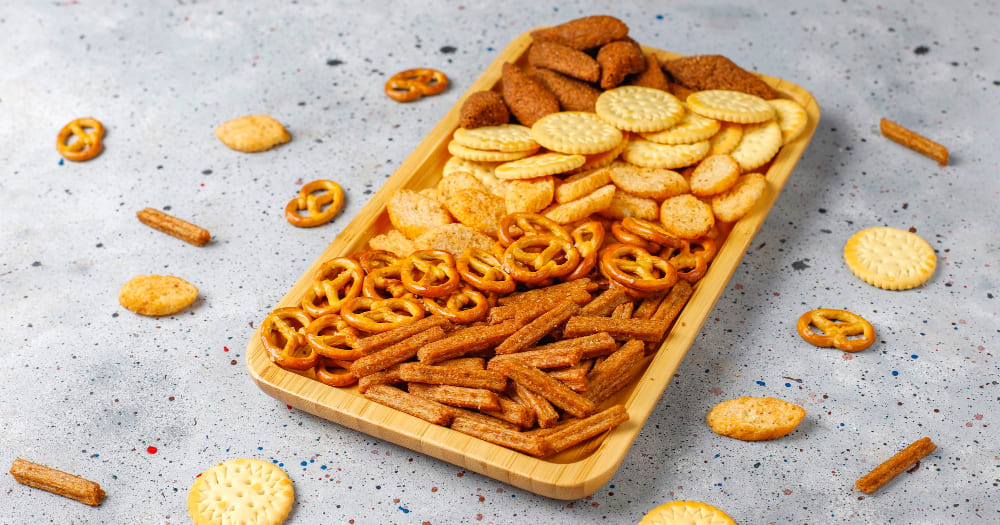
In the heart of Kerala's bustling startup scene, Malabar Munchies, a fledgling food venture, was carving a niche for itself with its unique blend of traditional flavors and modern culinary techniques.
Recognizing the critical importance of protecting their intellectual property, Malabar Munchies turned to Zohani Consulting Services for expert guidance. The Zohani team, well-versed in the complexities of trademark law, understood the significance of securing Malabar Munchies' distinctive brand identity. They embarked on a meticulous process, conducting comprehensive trademark searches to ensure the brand name and logo were unique and available for registration.
With Zohani's meticulous guidance, Malabar Munchies successfully navigated the trademark registration process. Their brand name and logo were officially registered, granting them exclusive rights and legal protection against unauthorized use. This milestone not only safeguarded their hard-earned brand equity but also instilled confidence in their customers, assuring them of the authenticity and quality associated with Malabar Munchies products.
Empowered by their secured trademark, Malabar Munchies embarked on an ambitious expansion plan. They ventured into new markets, launched innovative product lines, and forged strategic partnerships, all with the assurance that their brand was shielded from imitation. The trademark registration served as a powerful deterrent to potential infringers, allowing Malabar Munchies to focus on their core mission of delighting customers with their unique culinary creations.
The collaboration between Malabar Munchies and Zohani Consulting Services exemplifies the critical role of trademark protection in the success of a startup. By securing their intellectual property, Malabar Munchies transformed their brand into a valuable asset, fostering trust, enabling growth, and establishing a strong foundation for long-term success in the competitive food industry.
Brand-led food businesses should connect trademark milestones to packaging freezes and distributor onboarding. Do not scale retail kits until ownership risk is understood and filing strategy is underway.
Brand milestones tied to packaging and distribution
Malabar Munchies sequenced search and filing before scaling kits and distributors. That avoided building packaging equity in a vulnerable name. Food compliance (FSSAI) and brand protection ran as parallel tracks, neither replaced the other, so marketplace and retail expansion had both safety licensing and identity control in view.
After filing, the team watched for lookalikes and kept receipts organised for future OEM or catalogue evidence needs. Brand-led growth without ownership clarity is a common Kerala food-business failure mode; this engagement treated trademark as commercial infrastructure.
What brand-led food MSMEs should copy
- Search before print to avoid reprint costs
- Align FSSAI + trademark timelines
- Plan marketplace proofs early
- Monitor similar marks after filing
See trademark before GeM OEM approval and trademark registration.
FAQs
Should every micro food brand trademark immediately?
If you invest in brand-led growth or resellers, earlier is safer. Search is wise even when filing is phased, ignore conflicts at your cost.
What we would repeat for a similar Kerala engagement
Separate who bids, who catalogues, who fulfills and who answers incidents. Least privilege beats shared passwords when staff change.
Put renewals, audits and bid seasons on one shared calendar. Expiry surprises are process failures, not bad luck.
Replication works when you copy operating discipline, not only the headline outcome. Start with identity hygiene, then offers you can fulfill, then scale.
Packaging freeze during conflict risk
Do not scale retail kits while trademark conflict risk is unresolved. Search and filing strategy should gate major packaging spend.
Gate packaging and distributor scale on trademark clarity. Run FSSAI and brand protection as parallel tracks. Brand-led food growth without ownership discipline spends twice: once on marketing, again on conflict cleanup.
Copy the operating habits from this story first; the headline outcome follows when credentials, offers and ownership stay disciplined week after week.
If internal bandwidth is thin, book a structured consultation with Zohani in Malappuram and leave with owners, dates and a written next-step list rather than another open-ended discussion.
Replicate the checklist culture from this case: credentials first, fulfillable offers second, and weekly ownership reviews so gains do not reverse after the first success spike.